
Why Horses Make Great Teachers for Children
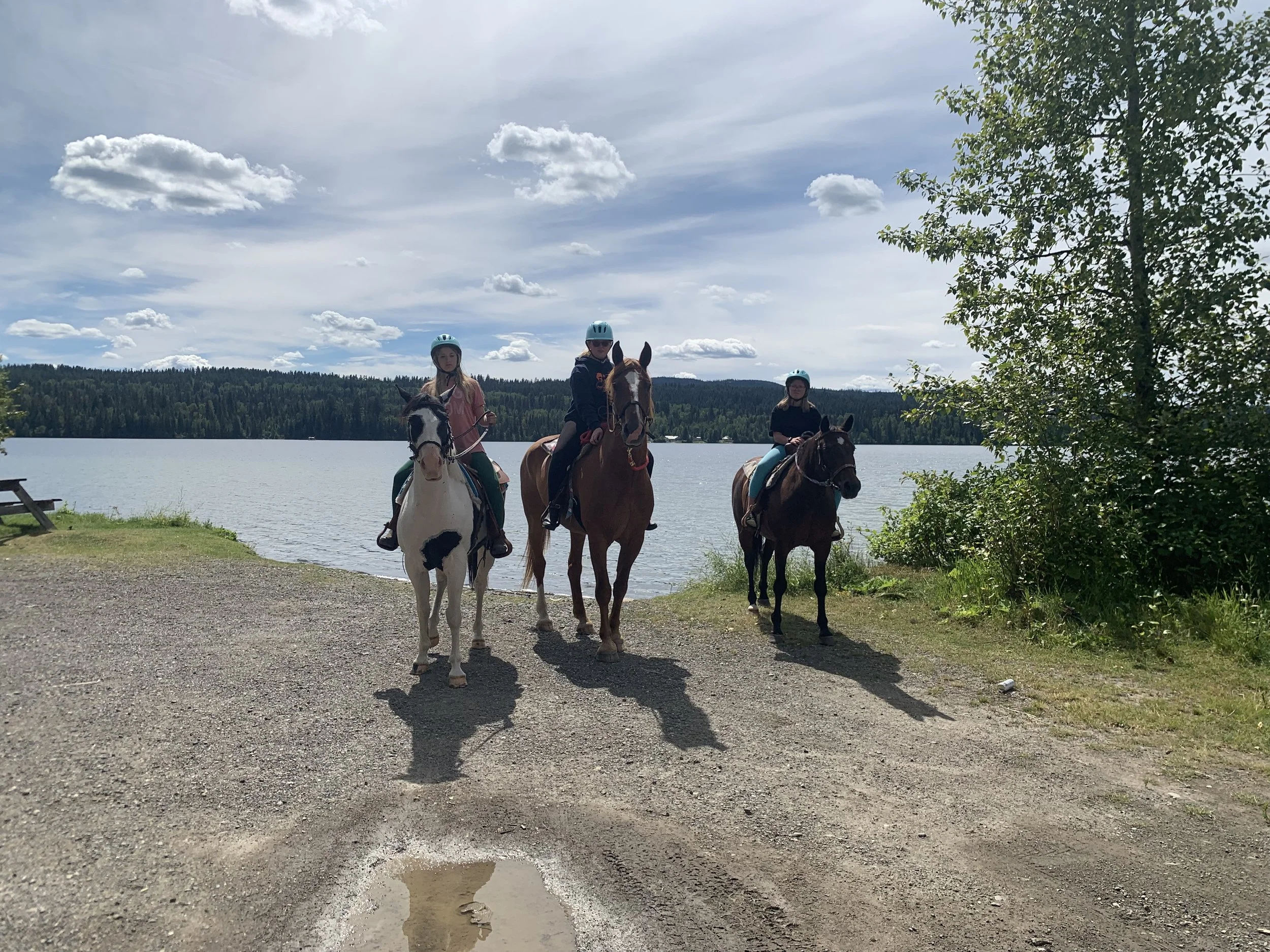
When parents think about horse camp, the first thing that usually comes to mind is riding.
And while riding is certainly part of the experience, some of the most important lessons horses teach happen long before a child ever puts a foot in the stirrup.
Over the years, I've watched children arrive at the ranch excited, nervous, shy, energetic, uncertain, and everything in between. What continues to amaze me is how often the horses seem to meet each child exactly where they are.
Horse camp isn't just about learning to ride. It's about building confidence, developing responsibility, learning to communicate, and discovering what you're capable of. Horses have a unique way of teaching these lessons that few other activities can match.
Horses Teach Responsibility
A horse doesn't know whether it's raining, whether your child is tired, or whether they would rather be doing something else.
Horses still need to be groomed, fed, cared for, and treated with respect.
Children quickly learn that being around horses comes with responsibility. They discover that caring for another living being requires consistency, patience, and attention to detail.
At horse camp, children don't simply show up and ride. They learn how to safely approach a horse, lead them, groom them, and understand some of the daily care that goes into keeping horses healthy and happy.
These are lessons that transfer well beyond the ranch.
Horses Teach Confidence
Many children arrive believing they aren't strong enough, brave enough, or capable enough.
Then something remarkable happens. They learn to halter a horse. They lead a horse. They ask a horse to move its feet. They steer independently for the first time. They solve a problem they didn't think they could handle. A child who successfully communicates with a thousand-pound animal often begins to see themselves differently. Confidence grows through doing hard things, not by avoiding them. One of my favourite moments is watching a child accomplish something they were nervous about just a few hours earlier. That sense of pride can't be given to them—it has to be earned through experience.
Horses Teach Communication
Horses communicate almost entirely through body language.
They pay attention to how we move, how we breathe, and how we carry ourselves.
Children quickly discover that horses respond best when they are clear, calm, and consistent.
A horse doesn't care how popular you are, what grades you get, or whether you're the loudest person in the group. Horses respond to leadership, clarity, and trust.
These communication skills often carry into friendships, school, sports, and family life.
Horses Teach Emotional Awareness
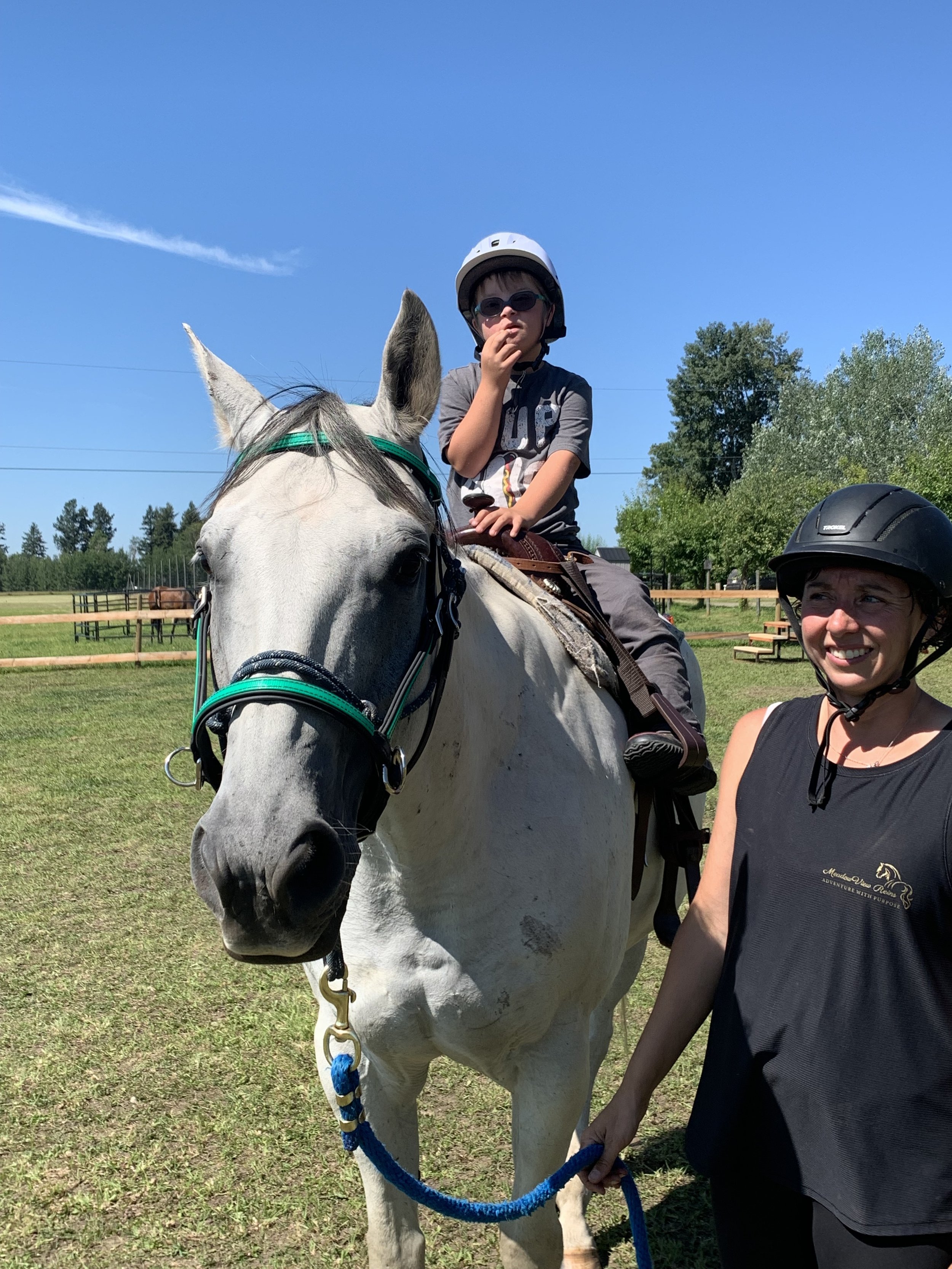
One of the things that makes horses unique is that they are prey animals.
For millions of years, horses survived by paying close attention to the environment around them. As prey animals, noticing small changes in movement, posture, breathing, tension, and behaviour helped keep them safe from predators.
That sensitivity still exists today.
Many horse professionals describe horses as "mirrors" because they often respond honestly to what we are communicating through our body language and behaviour. A child who approaches a horse feeling confident and relaxed may receive a very different response than a child who is nervous, distracted, frustrated, or unsure.
This doesn't mean horses judge us. In fact, quite the opposite. Horses simply respond to what they observe in the moment.
Because of this, horses can become powerful teachers of self-awareness. Children begin to notice how their emotions influence their actions and how small changes in focus, breathing, posture, and confidence can affect their interactions with the horse.
Whatever it is, the way you tell your story online can make all the difference.
The Science Behind Connection
Researchers continue to explore why interactions with horses can feel so calming and meaningful for many people.
One area of interest involves physiological synchronization—the tendency for living beings to influence and respond to one another's physiological states. Studies have observed changes in heart rate, stress levels, emotional regulation, and social engagement during positive human-animal interactions.
Horses also possess exceptionally large hearts, producing measurable electromagnetic fields that extend beyond their bodies. While scientists are still exploring exactly how these factors contribute to human-horse interactions, many equine-assisted learning and therapy professionals observe that spending time with horses often encourages people to slow down, regulate their breathing, and become more present.
Whether the explanation is biological, psychological, or a combination of both, the result is often the same: horses have a remarkable ability to help people become more aware of themselves and the world around them.
For children especially, this can create opportunities to practice emotional regulation, communication, empathy, patience, and confidence in a way that feels natural and engaging rather than forced or clinical.
Horses Teach Presence
One of my favourite things about horses is that they live completely in the present moment.
They aren't worried about tomorrow's math test.
They aren't replaying yesterday's mistake.
They simply respond to what is happening right now.
Many children find spending time with horses calming because horses naturally encourage us to slow down, pay attention, and be present.
In a world filled with screens, schedules, and distractions, that ability to be fully engaged in the moment is increasingly valuable.
Why Horse Camp Is Different
There are many wonderful summer activities available to children.
Horse camp is unique because it combines physical activity, outdoor adventure, animal care, problem solving, confidence building, communication skills, and relationship development all in one experience.
Children aren't just learning to ride.
They're learning to care for another living being.
They're learning how their actions affect others.
They're learning resilience when things don't go according to plan.
They're learning that confidence comes from practice, patience, and perseverance.
And while most children leave camp with new riding skills, many also leave with something even more valuable: a little more confidence, a little more responsibility, and a belief that they can do things they once thought were impossible.
Those lessons often stay with them long after summer is over.
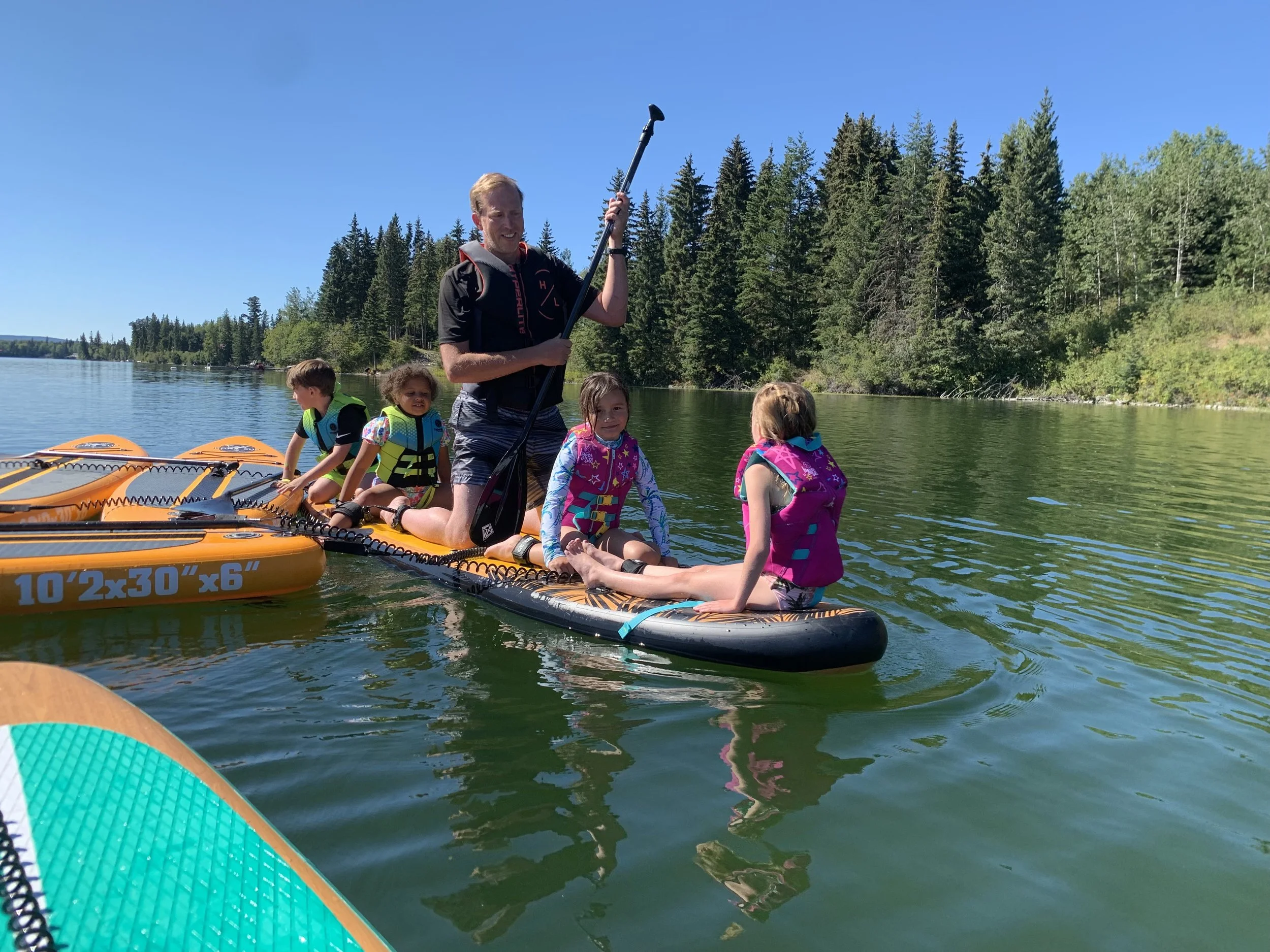
At MeadowView Reins, our Saddle & Paddle Camp combines horsemanship, riding, paddle boarding, ranch activities, crafts, outdoor adventure, and plenty of opportunities for children to build confidence while having fun.
If your child loves animals, enjoys being active, and is ready for a week of adventure, Saddle & Paddle Camp may be the perfect fit.
📅 July 27–31, 2026
📍 Big Lake Ranch, BC
🚐 Transportation available from Williams Lake
Only a few spaces remain.
